
 Our top pick
From Fort Lauderdale: Day Trip to Bimini
From$270 /person
See dates and book Free cancellation

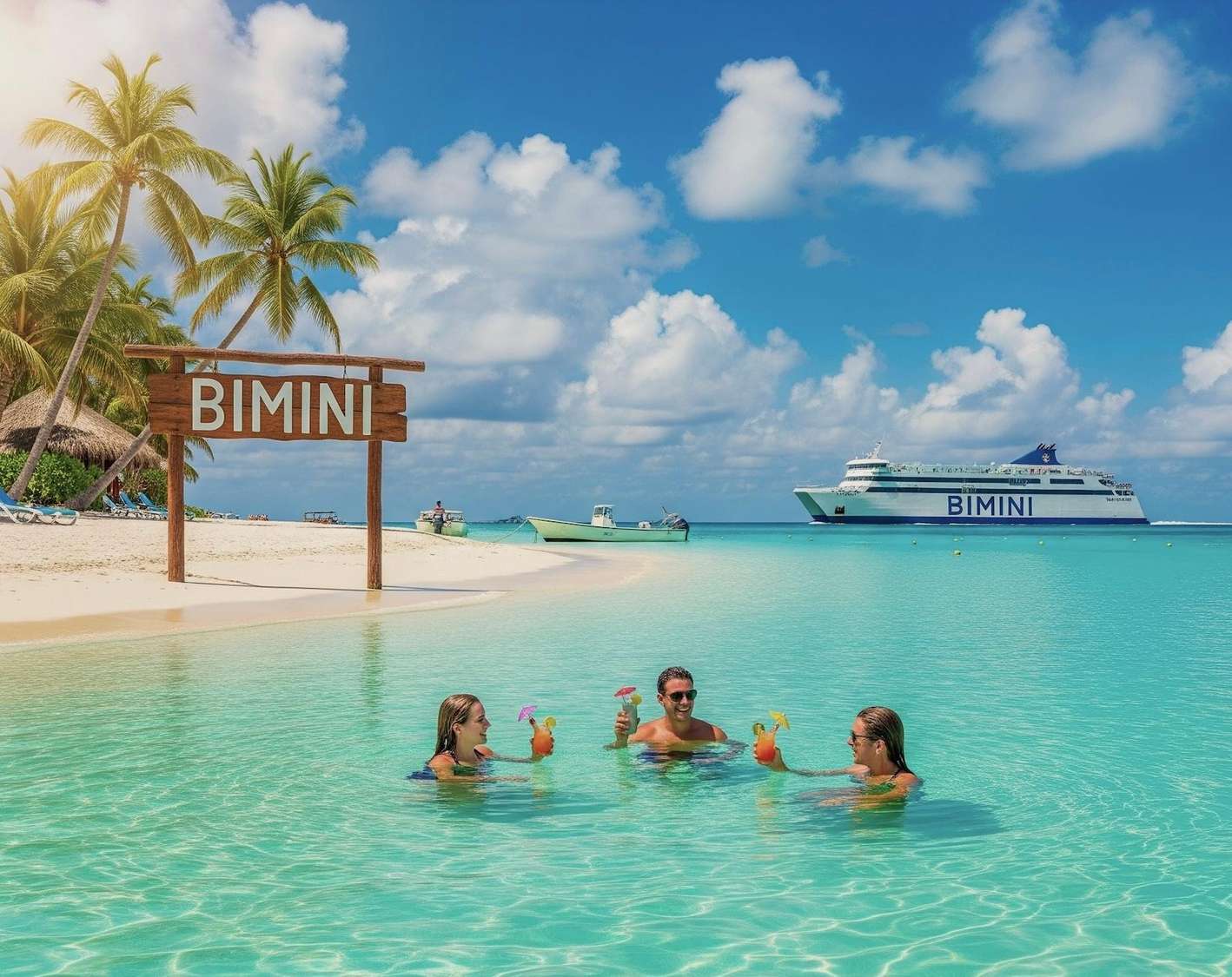
Turn a Florida day into a Bahamian one - sail to Bimini straight from Fort Lauderdale and be on the sand two hours later. Skip the pre-dawn Miami drive, board at Port Everglades, and claim six hours of turquoise water, conch salad and beach time. Reserve your crossing now.
“Couldn't believe a day trip to the Bahamas was possible. Boat was comfortable, drinks and snacks reasonably priced, easy shuttle at the dock, and the beach club was gorgeous. We'll be back for sure.”
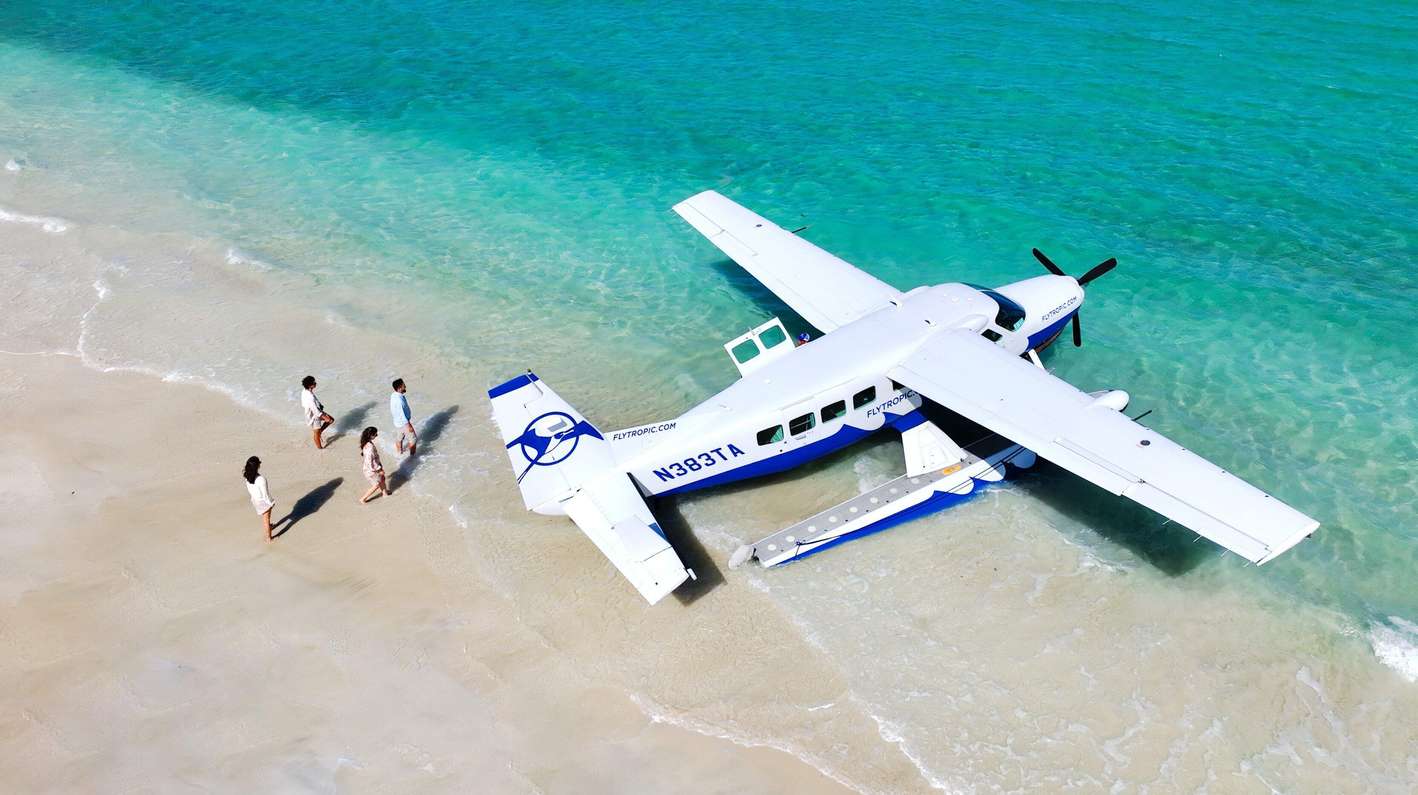
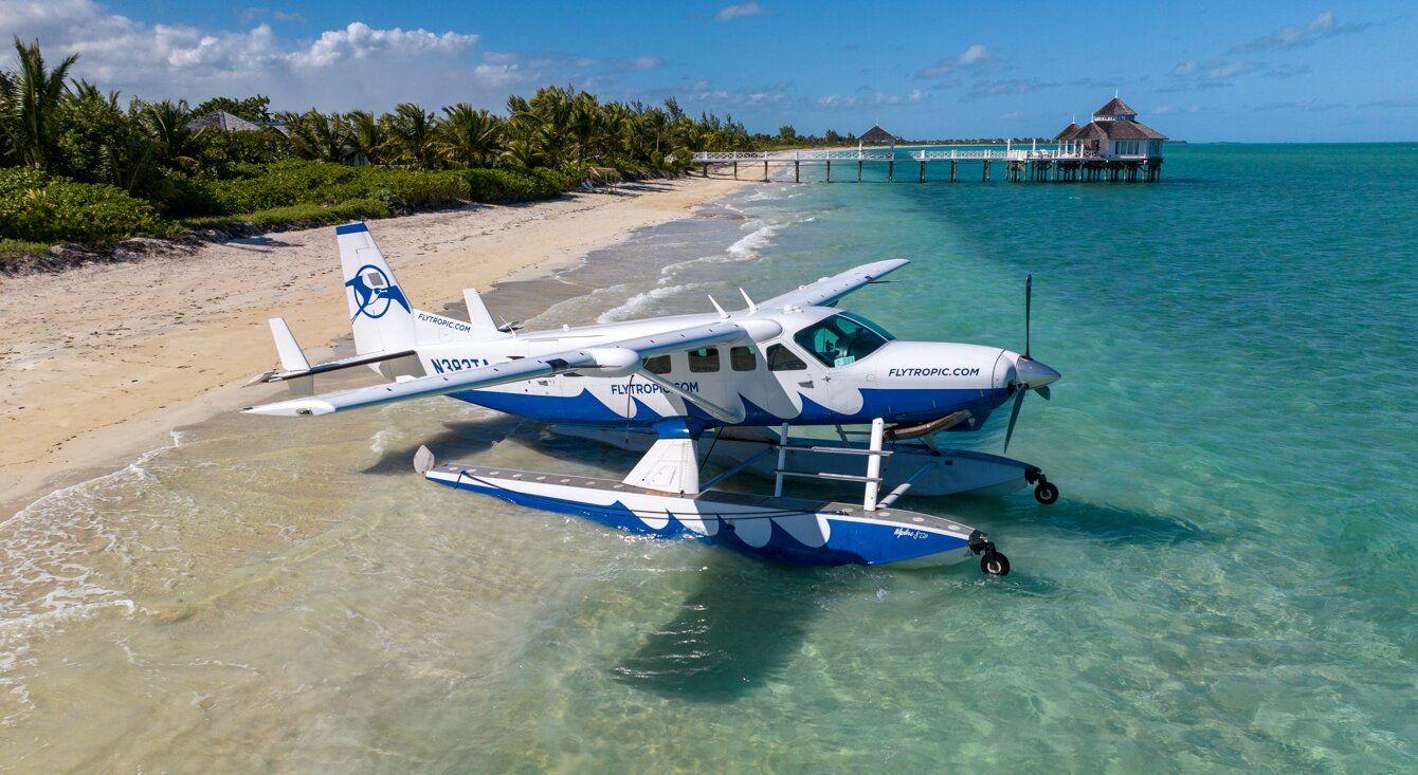
Four Fort Lauderdale departures make this trip: three roundtrip fast ferries out of Port Everglades with five to six island hours, and a seaplane that flies you over in 25 minutes for about eight.
Our top pick




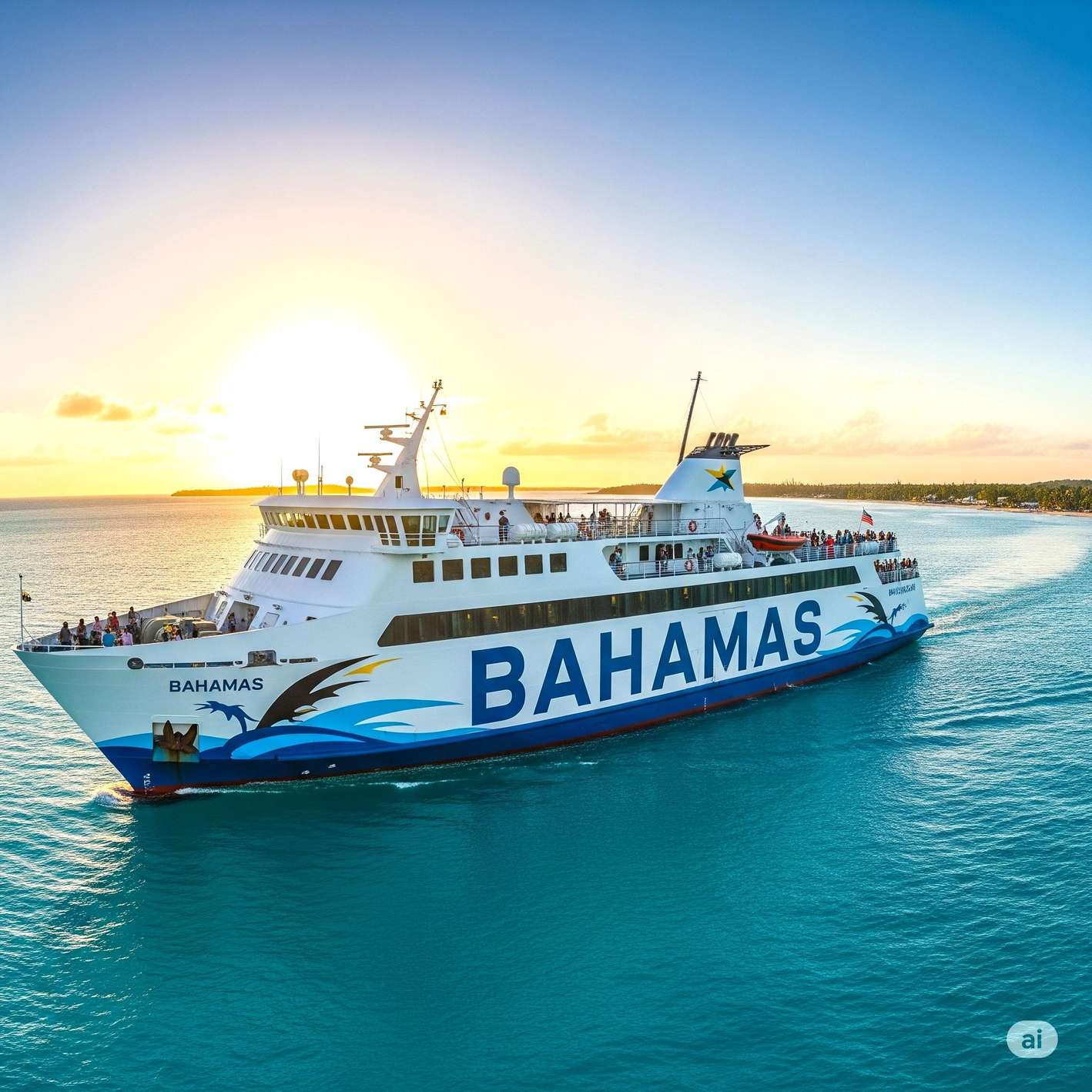






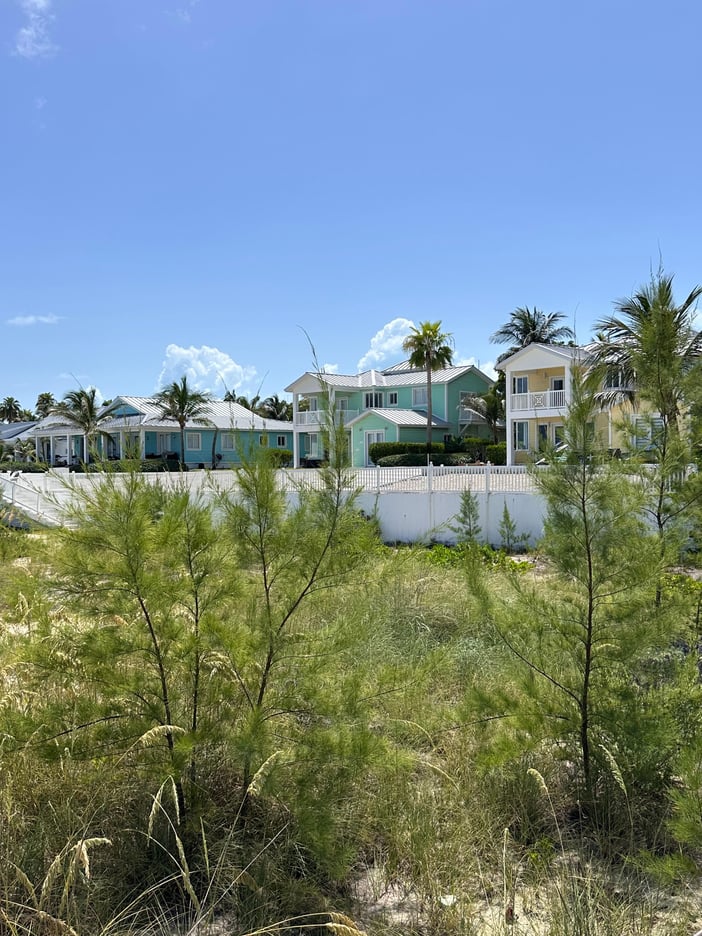
Superb excursion, great Bimini day. Staff and organization top. Golf cart on the ferry is cheaper.

Very rocking just like the reviews said, but I had so much fun. Went for a solo day trip.
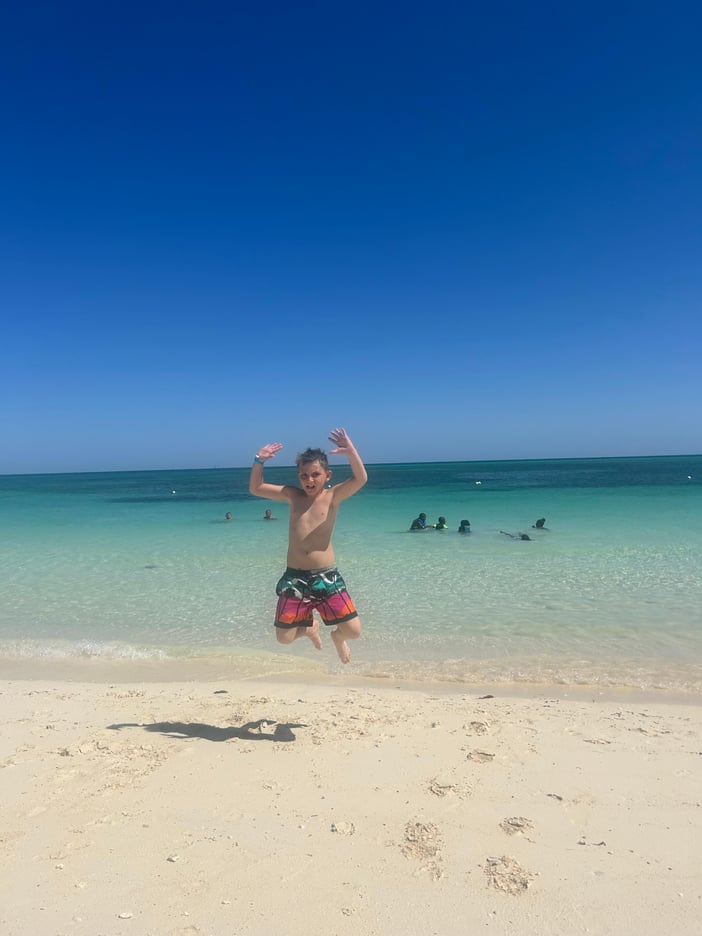
Great moments relaxing on beautiful beaches. If you just want the beach, skip the $70-80 cart, we walked 15 minutes. Ferry well maintained, staff very welcoming.
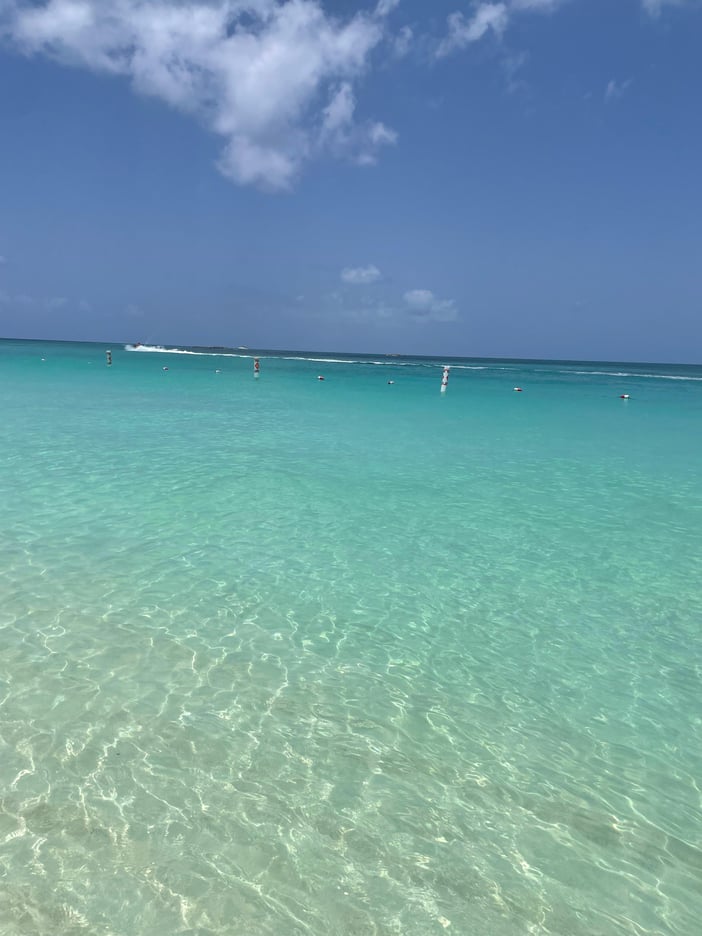
Beautiful beaches, clear water. Friendly people. You really need a golf cart to explore the island; we rented one there for 70 dollars, prices vary a lot.
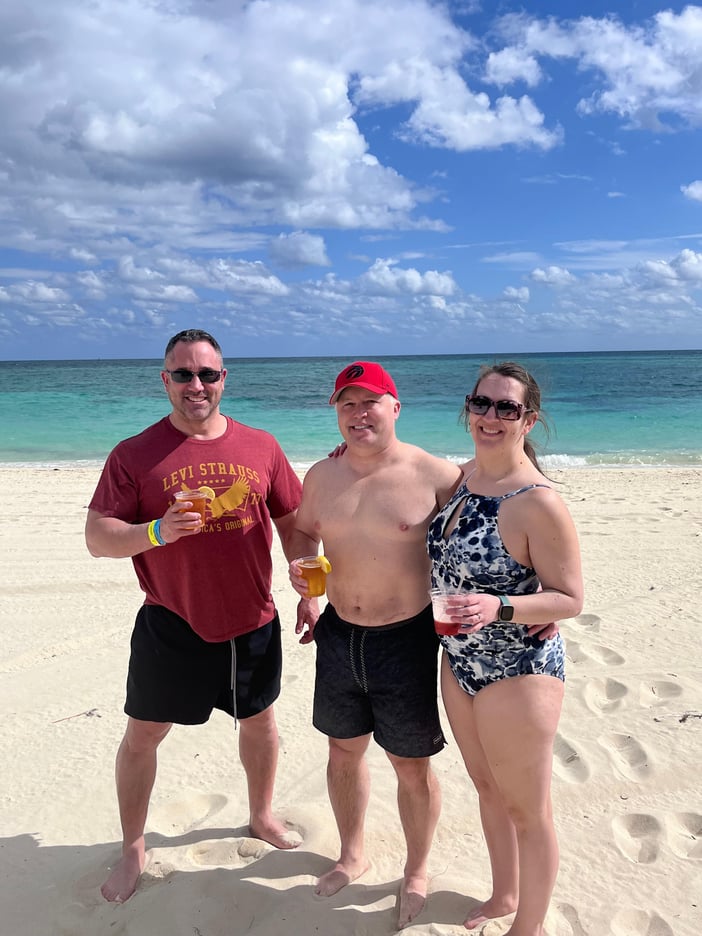
Totally out of this world, golf cart to explore wonderful beaches, so blue and clear. Very nice people. Unforgettable!
2 hours of beach, 210e taxi otherwise you can't do anything. Ferry is 5 am out and 5 pm back including check-ins.
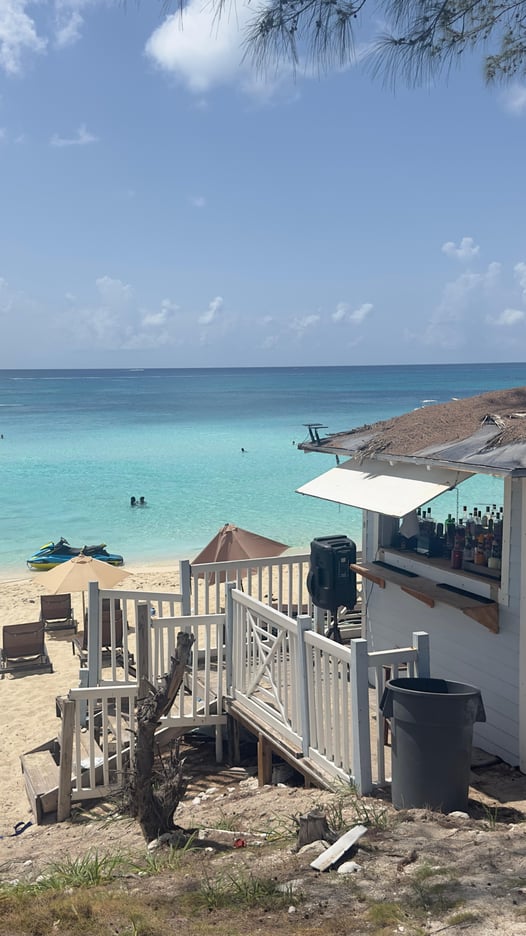
Bimini is a beautiful island, though the boat was an hour late in the morning and we waited until almost 8 pm to return, which annoyed us.
Most travelers get around five hours on Bimini after nearly twelve hours of driving, waiting and lines.
Many travelers found the water brighter than they expected and spent the whole day swimming in it.
Several wished for more than five hours ashore and less waiting at the terminal and the border.
Choose your day on the calendar. The fast ferry from Fort Lauderdale sails on Wednesdays, Fridays, and Sundays most of the year, with a few extra Monday sailings in peak season.
Compare the ferry day trips, where one operator splits seating into economy and business class, against the seaplane, a 25-minute flight each way that leaves you about 8 hours on the island.
At checkout, type each traveler's full name and passport number exactly as they read in the document. Your confirmation arrives by email and doubles as your voucher for the terminal.
Check the meeting point on your voucher. Ferry trips check in at Terminal 21 at Port Everglades, while the seaplane departs from a general aviation facility with valet parking included.
Get to the terminal early with passports for everyone, children included. You clear a customs and immigration document check at the counter, then board for the roughly 9 am sailing.
Free time (6 hours)
Port Everglades Cruise Terminal 21
Swimming, Snorkeling, Sunset, Dolphin watching, Scuba diving (12 hours)
Port Everglades Cruise Terminal 21
Eller Drive, Port Everglades
Eller Drive, Port Everglades
Boat cruise, Scenic views on the way (3 hours)
Port Everglades, Eller Drive
Port Everglades, Eller Drive
The Fort Lauderdale ferry crosses international water, so every passenger needs a valid passport or passport card, and birth certificates or photo IDs are not accepted.
Check each traveler's passport before booking, including children's. Anyone who needs a Bahamas entry visa or US re-entry authorization such as an ESTA should confirm it on the Bahamian immigration website first. Booking with missing or wrong passport details is not refunded.
Every Bimini day trip from Fort Lauderdale runs on one of two machines. A high-speed catamaran leaves Terminal 21 at Port Everglades at 9 am and crosses the Gulf Stream in about two hours.
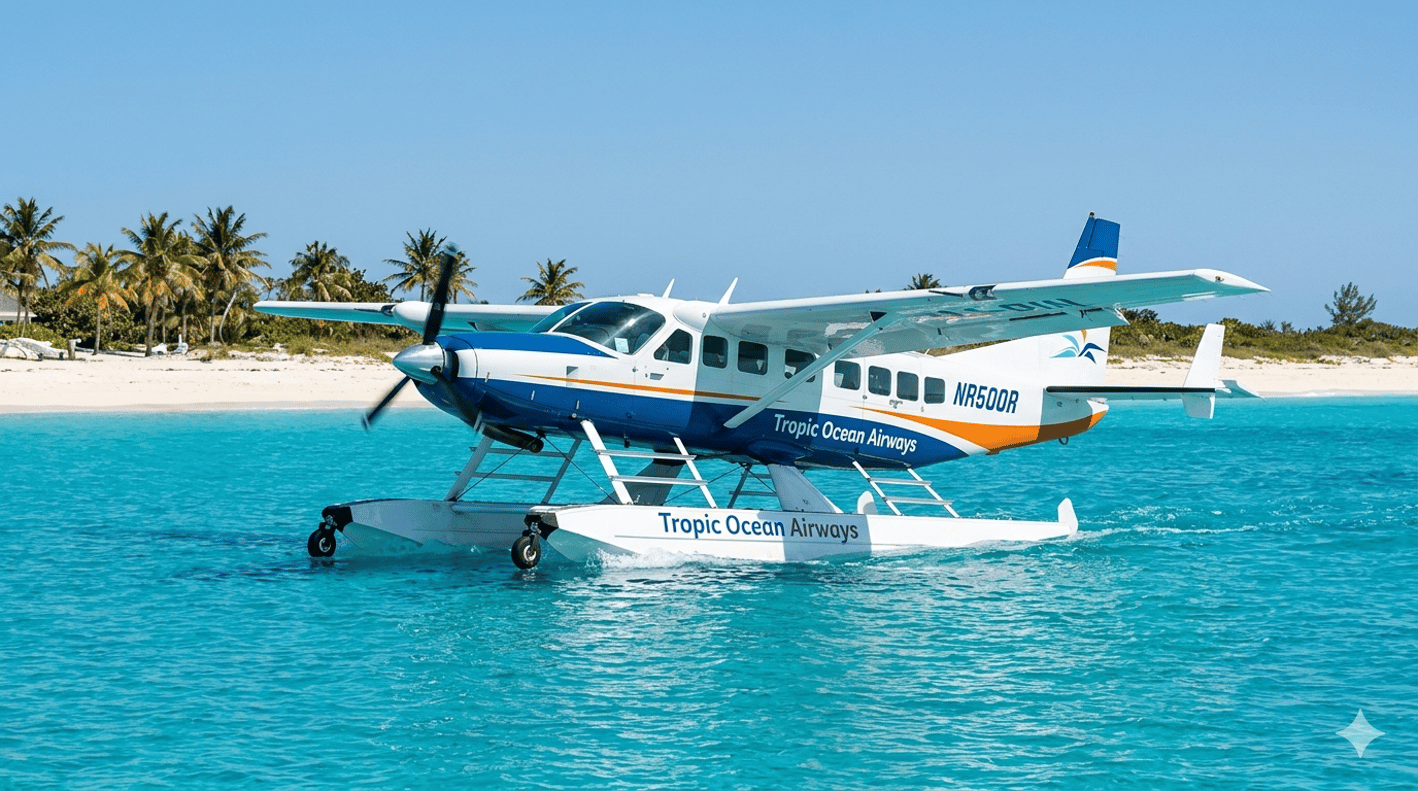
A seaplane lifts off from a general aviation facility in Fort Lauderdale and sets down on North Bimini 25 minutes later.
Nothing else runs on a schedule: no passenger ferry leaves from Miami, no water taxi or hydrofoil crosses this stretch, and a private boat needs two to four calm hours to make the same 50-mile run.
Bimini is closer than most people picture it, 50 to 52 nautical miles offshore, nearer to Florida than any other Bahamian island. That proximity is the whole reason a same-day round trip works, and the reason trips sold from Miami still begin with a drive here to board.
The list is short on purpose. The ferry is the workhorse: a scheduled seat, a snack bar and restrooms, and the way most people cross. The seaplane exists for the traveler who wants more hours on the sand.
| Crossing time | Parking ease | Rough seas risk | |
|---|---|---|---|
| Fast ferry | 2 hours each way | Garage next to Terminal 21 | Rough October to March |
| Seaplane | 25 minutes each way | Complimentary valet parking | Low clouds may divert flight |
Seen side by side, the choice comes down to what you are buying. The ferry sells the classic version of the day; the seaplane sells extra hours on the beach.
Both leave from Fort Lauderdale itself, which is the quiet advantage of this departure: no pre-dawn run down to Miami, and parking minutes from the door.
Terminal 21 sits on Eller Drive at Port Everglades, and the whole morning begins before sunrise. The Palm Parking Garage stands close enough to walk to the door: no shuttle bus, none of the pre-dawn crawl into a bigger cruise port.
The ferry is passenger-only, so the car stays put. Check-in opens at 6 am, three hours before the 9 am sailing, and the gap has a job to do. Security checkpoints at the port entrance back up traffic, and passport, customs and immigration checks all happen here.
Check-in closes at 7:30 am sharp on the operator's own schedule, while the terminal's posted door time is 8 am, one hour before departure.
The half hour between the two is slack nobody should count on: once check-in passes its cutoff, boarding is far from guaranteed. ::timeline How the ferry day runs from Port Everglades, 6 am to 8 pm 6 am | Check-in opens at Terminal 21 | Port security can slow the drive in, so arrive early 9 am | Ferry sails from Port Everglades | Check-in closed at 7:30 am sharp 11 am | Arrival at Bimini, then customs | Vessel clearance can take an hour 11 am to 5 pm | Island time | About 5 to 6 hours of free time on North Bimini 6 pm to 8 pm | Return sailing and US customs in Fort Lauderdale | Summer returns leave at 7 pm
Read the schedule once and the shape of the day is fixed: the island owns the middle, the port owns both ends. Travelers who treat the 7:30 am cutoff loosely are the ones telling stories about watching the ferry leave without them.
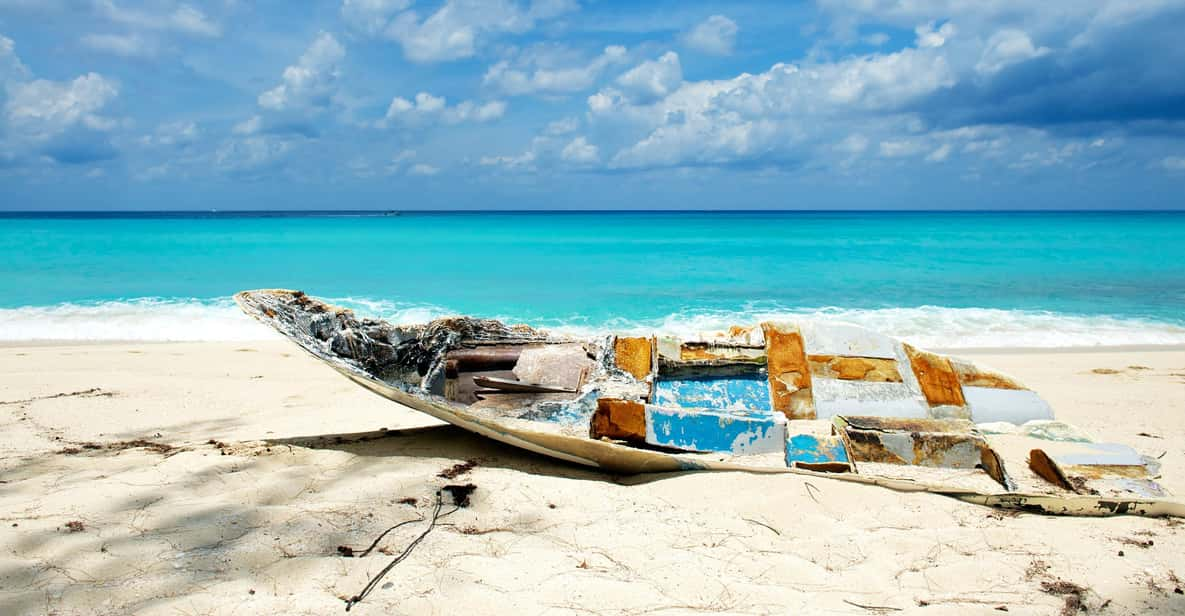
The catamaran pushes across about 50 nautical miles of open Gulf Stream, and the water sets the tone. From May through August the ride is glassy, with calm seas on 96 to 100 percent of days.
From October through February the same crossing turns steep and jarring, as north wind blows straight against the northbound current and calm days fall to between 59 and 81 percent.
Where you sit matters more than the forecast. The steadiest spot on any ferry is low and in the middle of the main deck; the rear deck takes the least motion once queasiness starts.
Anyone prone to seasickness should take dimenhydrinate or meclizine 30 to 60 minutes before boarding, because the medication barely works after nausea sets in.
The rest is small discipline: eyes on the horizon, no phone, toast instead of a fried breakfast. And pack a warm layer, because regulars say the cabin air conditioning runs very cold even in July.
February: planning interest 31,371 readers a month. Travel interest peaks while winter waters remain moderately choppy with average top waves near 1.2 meters.
Tap a month to read it.
July: calm sea on 100% of days. Crossings reach peak calm with virtually all days seeing waves under 1.5 meters.
Tap a month to read it.
October: waves up to 1.4 m on an average day. Autumn cold fronts begin stirring the Gulf Stream, bringing the lowest calm-water share of the year at 59%.
Tap a month to read it.
September: 0.4 windy days. Late-summer waters stay mostly calm, but occasional tropical swells can increase wave activity.
Tap a month to read it.
The monthly pattern settles the planning question. May through August own the calm numbers, October through March own the chop. If seasickness worries you at all, let the month pick the date; if the date is fixed, let the seat and the timing do the work.
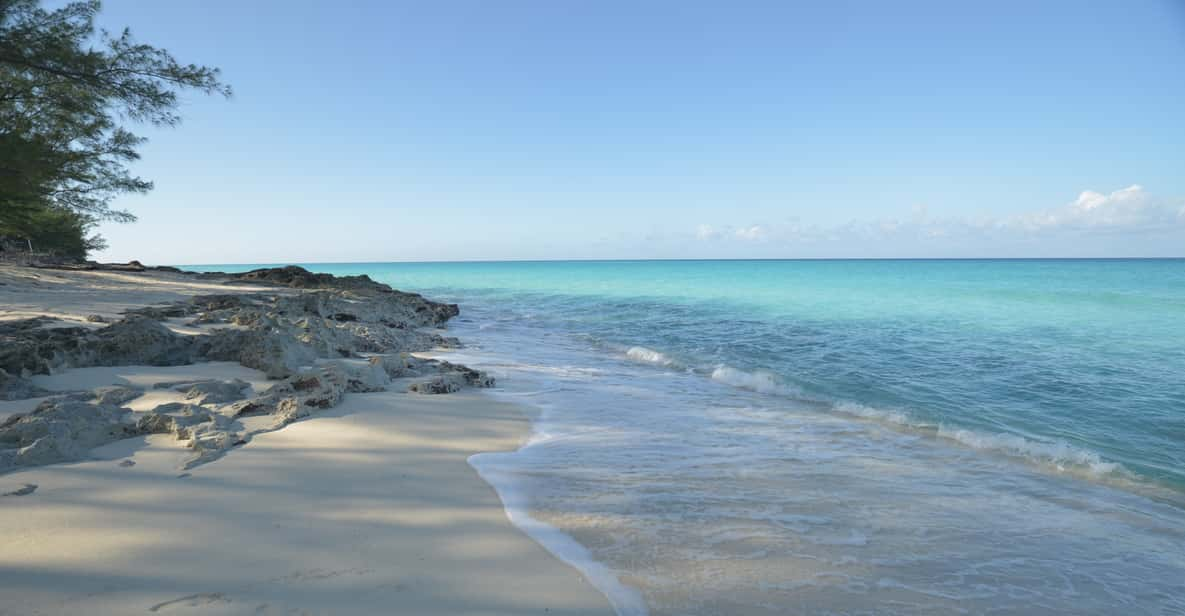
The honest arithmetic lands here. From a 6 am arrival at Terminal 21 to the evening return with US customs cleared, a Fort Lauderdale ferry day runs 12 to 13 hours, port to port.
The reward is 5 to 6 hours of free time on Bimini, roughly 11 am to 5 pm, with four hours of the journey spent on open water.
Whether the trade works depends on the rest of your week. Travelers with one genuinely open day, a taste for a quick international getaway and no fear of an early alarm call it worth it.
Travelers who squeeze the crossing into a three- or four-day Florida vacation usually regret spending a full day of it in transit, and anyone who wants a slow pace or several excursions finds a single day too rushed.
Read the numbers plainly: about half the day belongs to Bimini, half to getting there and back. The island is compact enough that 5 to 6 unhurried hours cover a beach, a proper lunch and one excursion, so long as the itinerary stays at two or three stops.

The seaplane speaks to the traveler who measures the day in island hours. The flight runs 25 minutes each way and leaves 7 to 8 hours of daylight on Bimini, two or three more than the ferry hands over.
Departures leave from Fort Lauderdale Sheltair on Lee Wagener Blvd, where complimentary valet parking takes the car and a private lounge with Wi-Fi, snacks and drinks absorbs the wait.
Arrive no later than 30 minutes before takeoff, and let customs be someone else's problem: handling is expedited on both sides of the water. Low cloud over Bimini can also send a visual-flight aircraft back to Florida. Rare, but worth knowing before you promise anyone a fixed sunset. w4
A quarter of an hour in the air buys hours on the sand that the ferry spends on water, and the landing is quieter too.
Seaplanes set down at the base on North Bimini, about two miles from the ferry dock at Fisherman's Village, so the day opens on a calm strip of water well away from the ferry pier. w7
Where each option departs says the rest. The ferry runs from a port terminal with garage parking; the seaplane runs from a private aviation ramp with valets. Both leave from Fort Lauderdale itself, and neither involves a Miami detour.
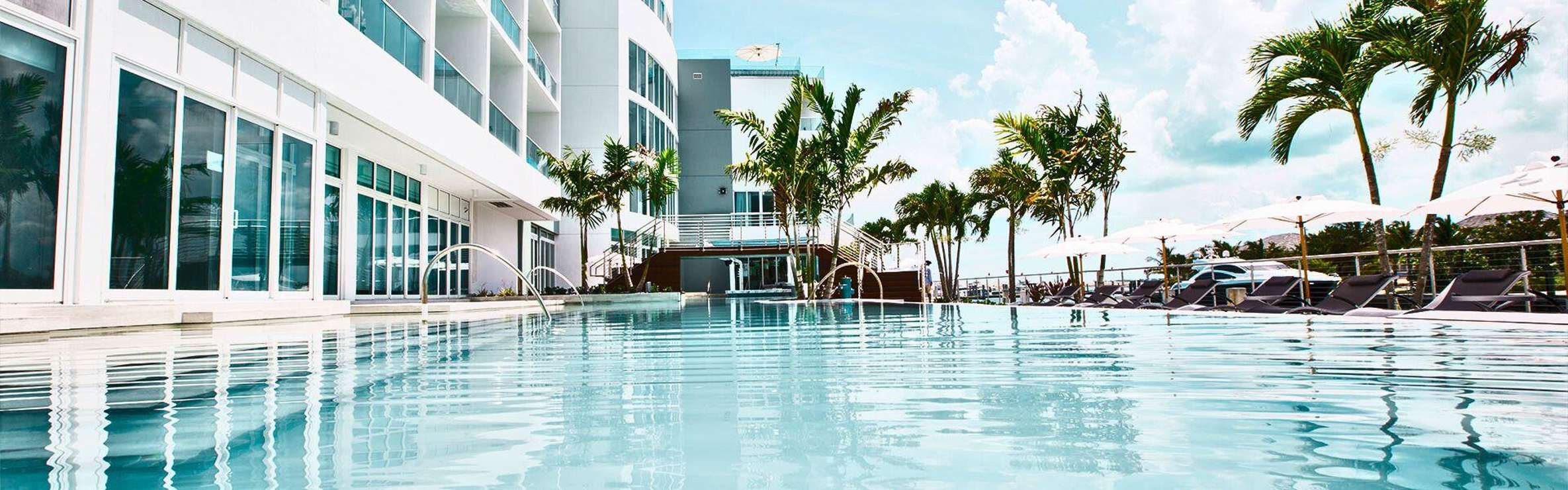
The ticket covers more than most readers expect. Bahamas taxes and port fees generally ride inside the quoted figure for ferry day trips, departure tax included. What you book is close to what the crossing ends up costing.
The variables sit on the island. A day pass for the beach resort beside the dock is bought separately, onboard food and drink run on their own tab, and a golf cart or water sports are yours to arrange.
For peak summer weekends, US holidays and spring break, ferry seats sell out early enough that booking 4 to 6 weeks ahead is the safe play.
| Check | Why it matters | Our pick |
|---|---|---|
| Taxes and port fees | The quoted figure should carry the Bahamian departure taxes | Included in the roundtrip ferry package |
| Guaranteed island hours | The day is only as good as its free time | About 6 hours, roughly 11 am to 5 pm |
| Cancellation terms | Weather scrubs sailings most often in winter | Full refund up to 2 days before departure |
| Passport details at booking | Wrong data kills the refund | Check every traveler's name and passport number twice |
| Who the ferry takes | A few travelers are excluded | Not suitable for pregnant women or infants under 6 months |
One booking rule is absolute: passport details given at booking must be correct, because missing or false information means no refund at all.
From Fort Lauderdale: Day Trip to Bimini is the ferry package to start with: roundtrip passage in economy or business class, cancellation up to two days out for a full refund, and about six hours ashore.
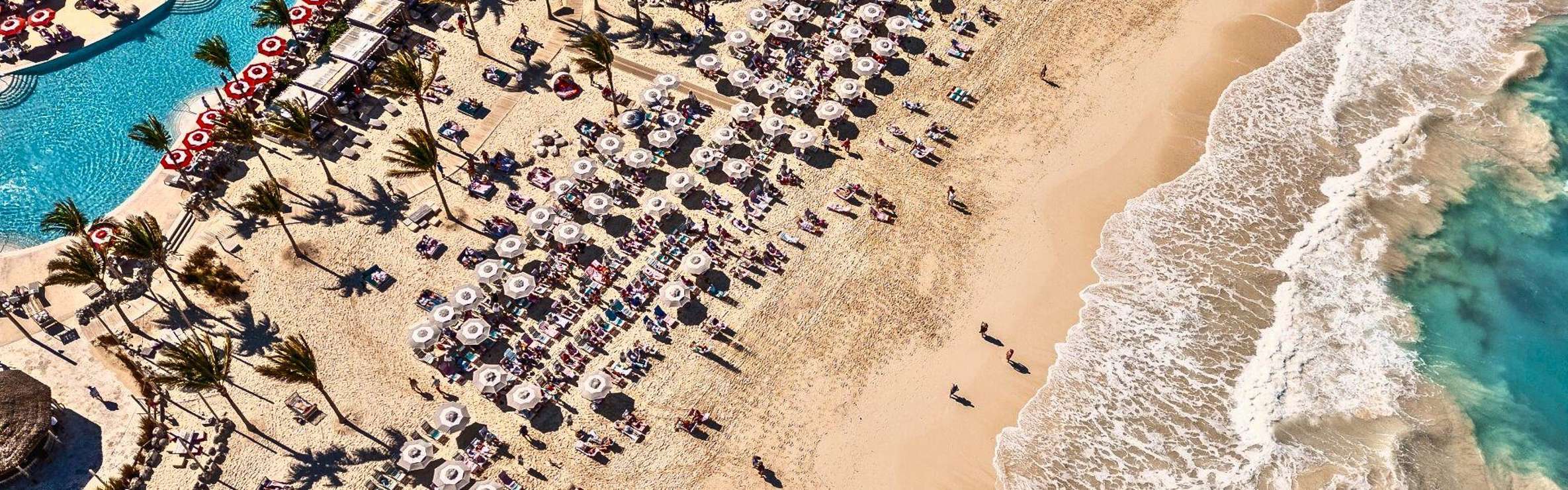
The gangway is where a Bimini day trip most often fails. US citizens need a valid passport book or passport card, and nothing else works on these sailings: birth certificates, photo IDs and naturalization documents are refused. Every passport needs six months of validity left, children included.
Birth certificates and photo IDs are refused at boarding, and missing or false passport details kill the refund Carry a valid passport book or card with six months of validity, and check the details you entered at booking
That one document decides the whole morning. Non-US citizens add US re-entry authorization, an ESTA for Visa Waiver Program travelers or a valid US visa otherwise, and green card holders carry both the passport from their country of birth and the resident card, plus the original extension document if the card has expired.
On the Bahamas side, citizens of the USA, EU, UK and Switzerland need no entry visa.
Citizens of other countries may, and the Bahamas High Commission needs 7 to 10 business days to issue one, which no same-day trip can survive. Check the Bahamian immigration website before booking if your passport is not from those four.
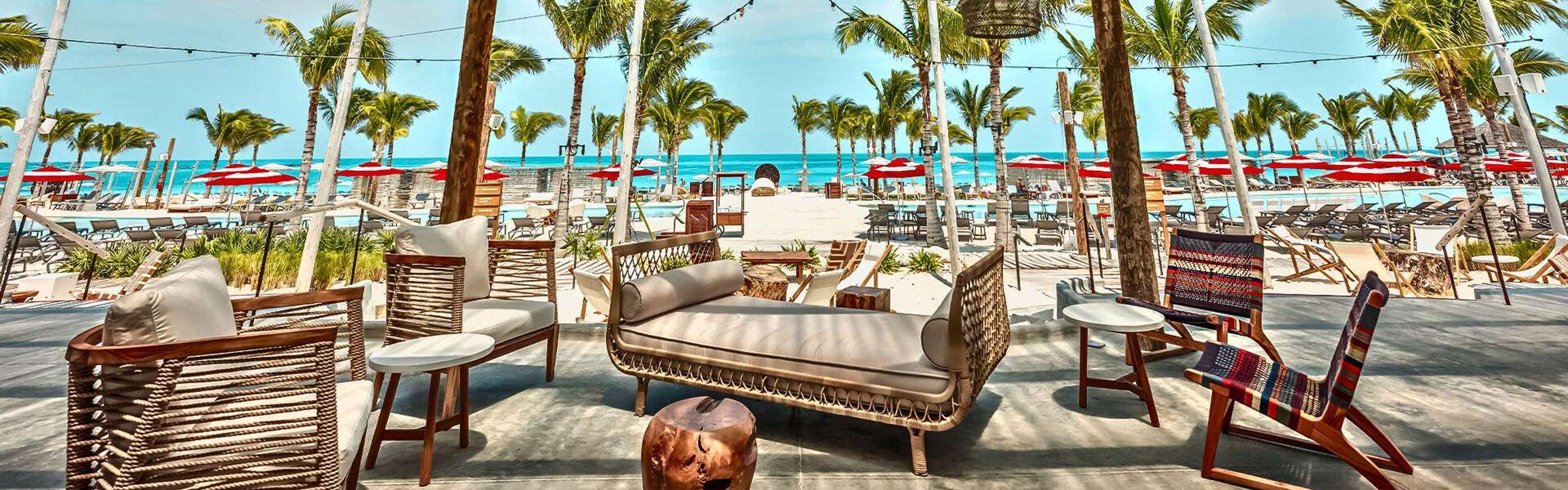
The ferry ties up at Fisherman's Village on Bimini Bay, North Bimini, and the clock starts before your feet touch the dock. Maritime authorities clear the vessel first, and that step can take an hour.
Immigration and customs then move quickly when your arrival form is filled in, and the officer hands you a stamped stub. Keep it: you surrender it on the way out.
Once you step off, the island sits close. A public beach is walkable from the dock, and free open-air trams loop between the pier, the marina, the casino and the beach club. Taxis wait at the end of the pier for anyone headed into Alice Town.
The evening holds one hard rule. Be back at the Bimini terminal a full hour before the return sailing, because the doors and embarkation close then and late check-in is not permitted. Miss the boat and the policy allows no refund and no rebooking.
The ride home ends the way the day began, in a queue: US customs officers at Port Everglades can question you on your trip and search your bags like at any border. It moves quickly, and then the parking garage is exactly where you left it.
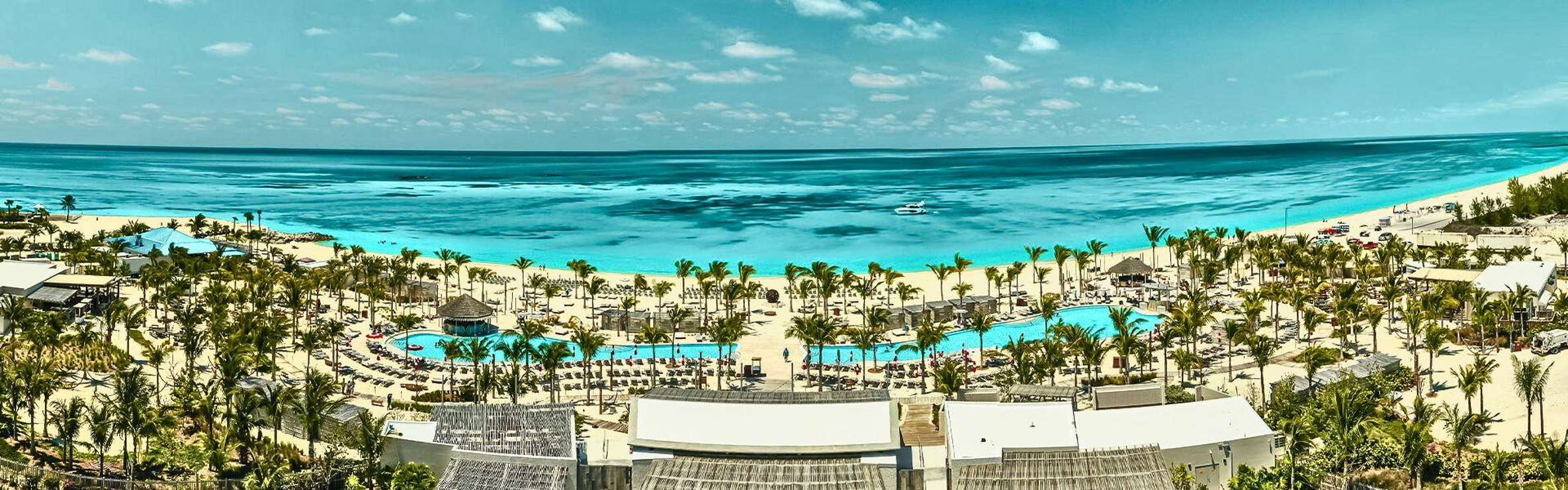
Five hours makes transport the decision that shapes the day. A golf cart is the flexible answer: beaches, conch stands and food stops all open up when you can pull over where you like.
Your home driver's license works for up to three months, traffic drives on the left, and most rental stands want a credit card to secure the agreement.
Fleets are small and sell out fast on days a large cruise ship calls, sometimes with a price bump riding along. Reserve ahead on peak-season sailings, because wandering on foot eats the hours.
US cash is the only payment that always works
US dollars are accepted across the island, so there is no need to exchange money
One thing not to do: walk from the pier toward the island's main resorts. It is more than two miles along an exposed road in heavy humidity, and five island hours vanish faster than you think. Take a taxi or the cart instead.

The island hours are the point, and Bimini makes them easy because every sandy beach is public and free. Radio Beach has casual bars and freshly made conch salad with no resort fees, and a small beach right at the ferry dock covers the days when the clock is already short.
Water time fits if you book the morning. A boat excursion to the SS Sapona shipwreck runs about two hours end to end, 20 minutes each way and roughly an hour anchored at the hull, and a morning departure has you back by early afternoon with hours to spare.
The shallows at Honeymoon Harbour put stingrays close enough to feed, once you learn to shuffle your feet so nobody gets stepped on.
Reef sharks gather at their own snorkel stop, and they are used to boats; they stay fixed on the food boxes and leave calm swimmers alone. Watching from the deck is a legitimate way to see it.
On dry ground, the Dolphin House and the Hemingway park beside it fill an easy hour, the Straw Market covers souvenirs, and a marina hotel sells lunch and a pool swim without any resort package. Pick two or three stops and stop there; a list of ten is how five hours becomes a blur.
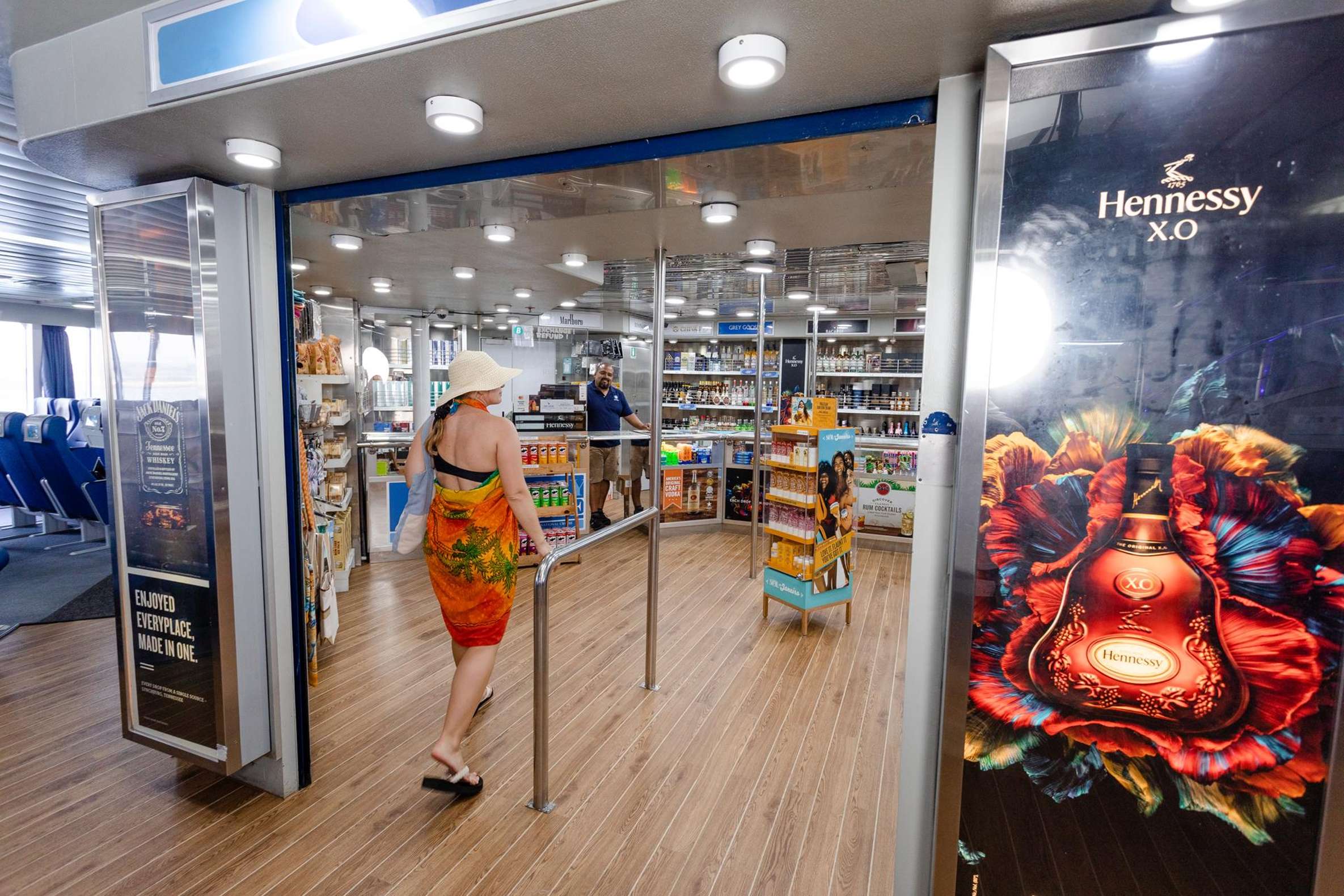
Pick the month for the water and the day for the schedule. May is the sweet spot: calm seas on nearly every day, small waves, daytime highs around 27°C (81°F), and dry weather on about two days out of three. April runs close behind.
June through August bring the flattest water of the year, with heat, humidity and rain on more days than not, and winter is the driest stretch and the roughest, as cold fronts sweep through several times a month from December to April.
The fast ferry sails mostly on Wednesdays, Fridays and Sundays, with extra departures on some Mondays and peak holiday periods. Outright cancellations stay rare; they happen when small-craft advisories or worse close over the Straits.
When weather does win, the rules are decent. Operators generally give a full refund or a free rebooking, and one package lets guests reschedule to any date within a year of booking. Snorkel boats that find the offshore wreck too rough simply reroute to sheltered reefs and run the day anyway.
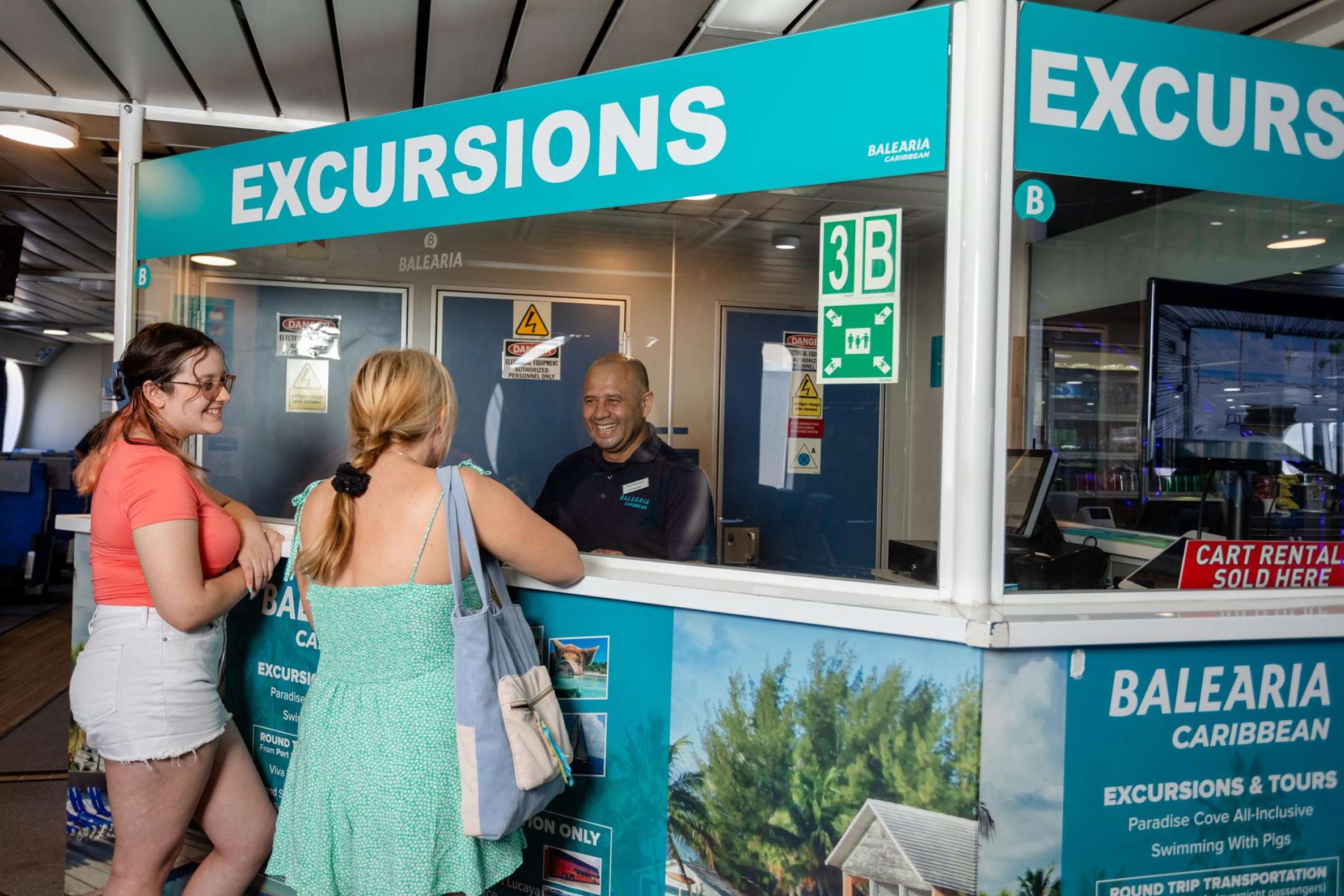
By the last stop the split is clean. The ferry is the practical staple for most readers: roundtrip passage from a terminal in Fort Lauderdale, a guaranteed seat, about six hours ashore and three sailings a week to build a trip around. Families and first-time Bahamas visitors fit it well.
The seaplane serves a different traveler, one who measures the day in island hours. It buys two or three extra hours of beach, skips the terminal crush entirely and turns a half day into nearly a full one.
Going it alone by private boat is a two-to-four-hour run each way in calm conditions, a project for people who already own the vessel and read the Gulf Stream.
One exception stands. If Florida gave you only three or four days, or you want a slow pace with several snorkel stops, a single day is too tight; save Bimini for an overnight and keep this trip for the next open day.
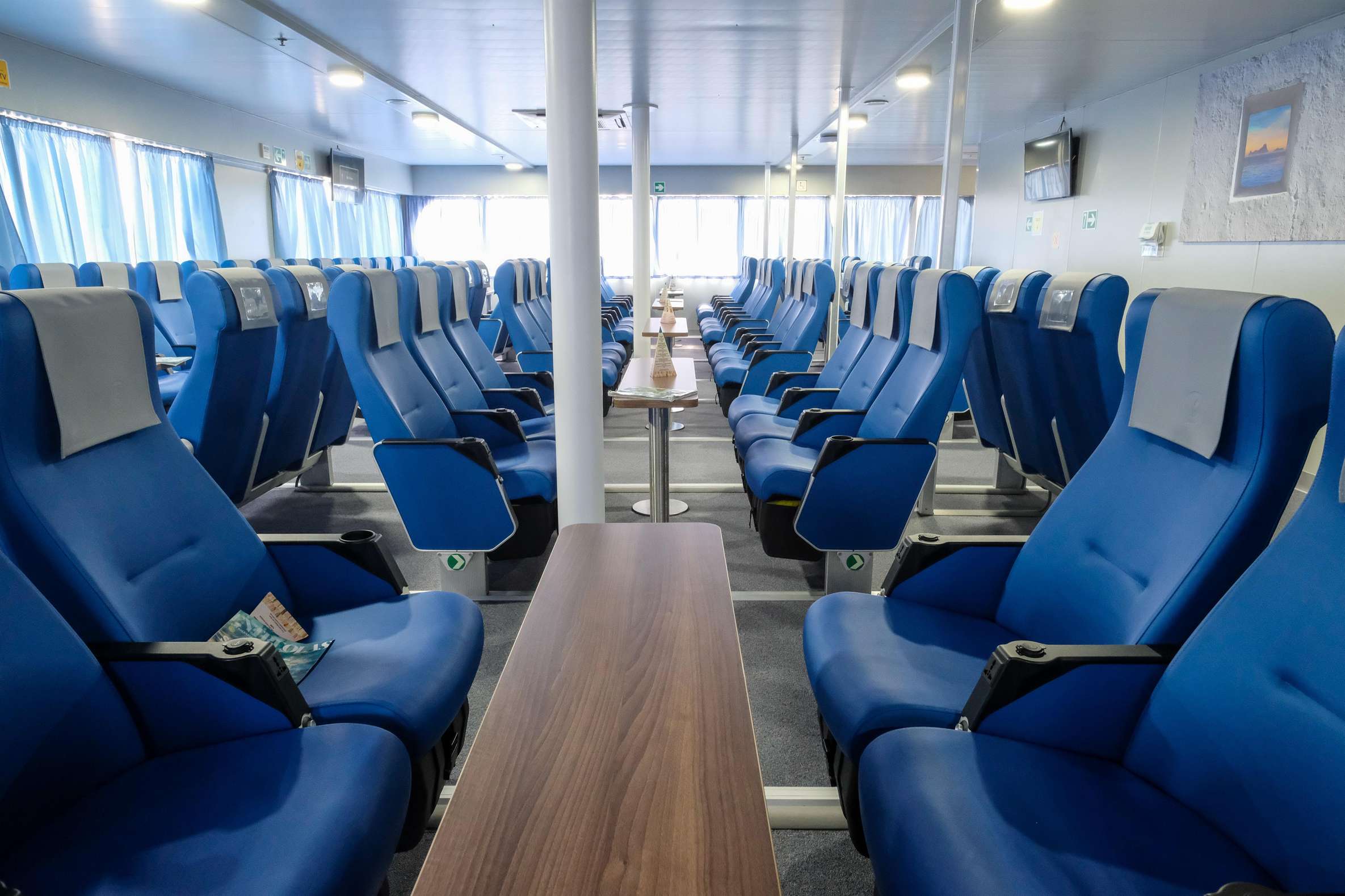
Book a tour; the machine is the choice. The Fort Lauderdale ferry suits most readers: about six island hours, three sailings a week, the simpler booking.
The seaplane suits travelers who measure the day in island hours, with 25-minute flights and 7 to 8 hours ashore. On a three- or four-day Florida trip, or at a slow snorkeling pace, give Bimini an overnight instead.
Yes. Every passenger, including infants and children, needs a valid passport book or passport card, plus authorization to re-enter the United States such as an ESTA. Birth certificates, photo IDs and naturalization documents are not accepted on these international crossings.
Most day trips give you 5 to 6 hours of free time on Bimini, arriving around 11 am and sailing back about 6 pm. Counting the two-hour crossing each way, check-in and customs, port-to-port runs about 12 to 13 hours.
Check-in at Terminal 21 opens at 6 am and terminal doors close at 8 am, one hour before the 9 am departure. One operator closes its own check-in at 7:30 am sharp. Parking sits in the Palm Parking Garage right next to the terminal, so no shuttle is needed.
It works well if you have an open day and do not mind an early start. If your Florida trip is only three or four days long, or you want a slow pace and several excursions, an overnight on Bimini suits better.
No. Every sandy beach in Bimini is legally public and free. Radio Beach has casual bars and conch salad with no resort fees. If you want the pools and beach club at Resorts World, day passes are sold on the ferry.
The two-hour run crosses the open Gulf Stream and often turns choppy in winter, while May through August brings the calmest water. Take motion sickness medication 30 to 60 minutes before boarding and pick a seat low and midship. The cabin air conditioning runs cold, so pack a sweater.
When small-craft advisories or tropical storm warnings stop the ferry, operators generally let you choose between a full refund or a rebooking on another sailing. Cancellations are the exception, mostly during hurricane season and winter cold fronts.
Yes. A seaplane from a private aviation facility in Fort Lauderdale crosses in 25 minutes each way and gives you about 8 hours on the island, with a VIP lounge, valet parking and expedited customs. Baggage is limited to 30 lbs per passenger, and low cloud can send the flight back to Florida.
Food and drinks of any kind are not allowed on board the ferry.
The ferry docks at Fisherman's Village on North Bimini, where free trams loop to the marina, casino and beach club. A rented golf cart is the most flexible way to reach beaches and food stands, and you need a driver's license to rent one.
Shared taxis also wait at the pier, but walking to the far resorts is over two miles in heavy humidity.
Be back at the Bimini terminal at least one hour before the evening departure, when the doors close and embarkation ends. Late check-in is not permitted once that cutoff passes.
A cart is the easiest way to reach beaches and food stands on a short schedule, and you need a valid driver's license to rent one. Taxis also wait at the pier for the ride into town or Radio Beach, but walking to North Bimini resorts means more than two miles of exposed road.
Staying further south? See how the Miami departure runs and what the drive up to Fort Lauderdale costs in time.
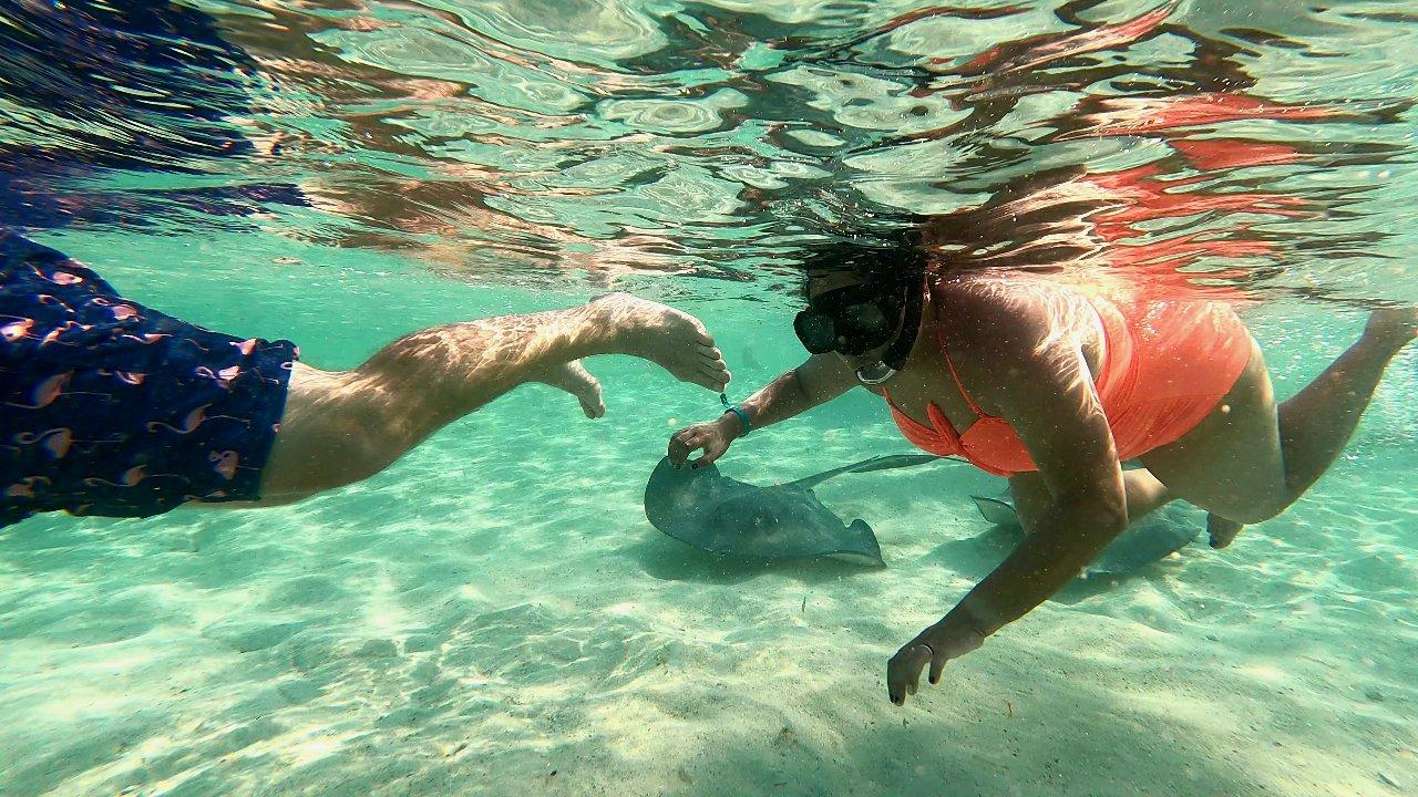
Plan your afternoon once the ferry docks at 11: shark swims, stingray flats and the Sapona wreck by boat.
Compare Bimini with the other Bahamas crossings that run from Florida and pick the one that fits your day.

Sail from Port Everglades to about six hours of island time, and cancel up to two days ahead for a full refund.